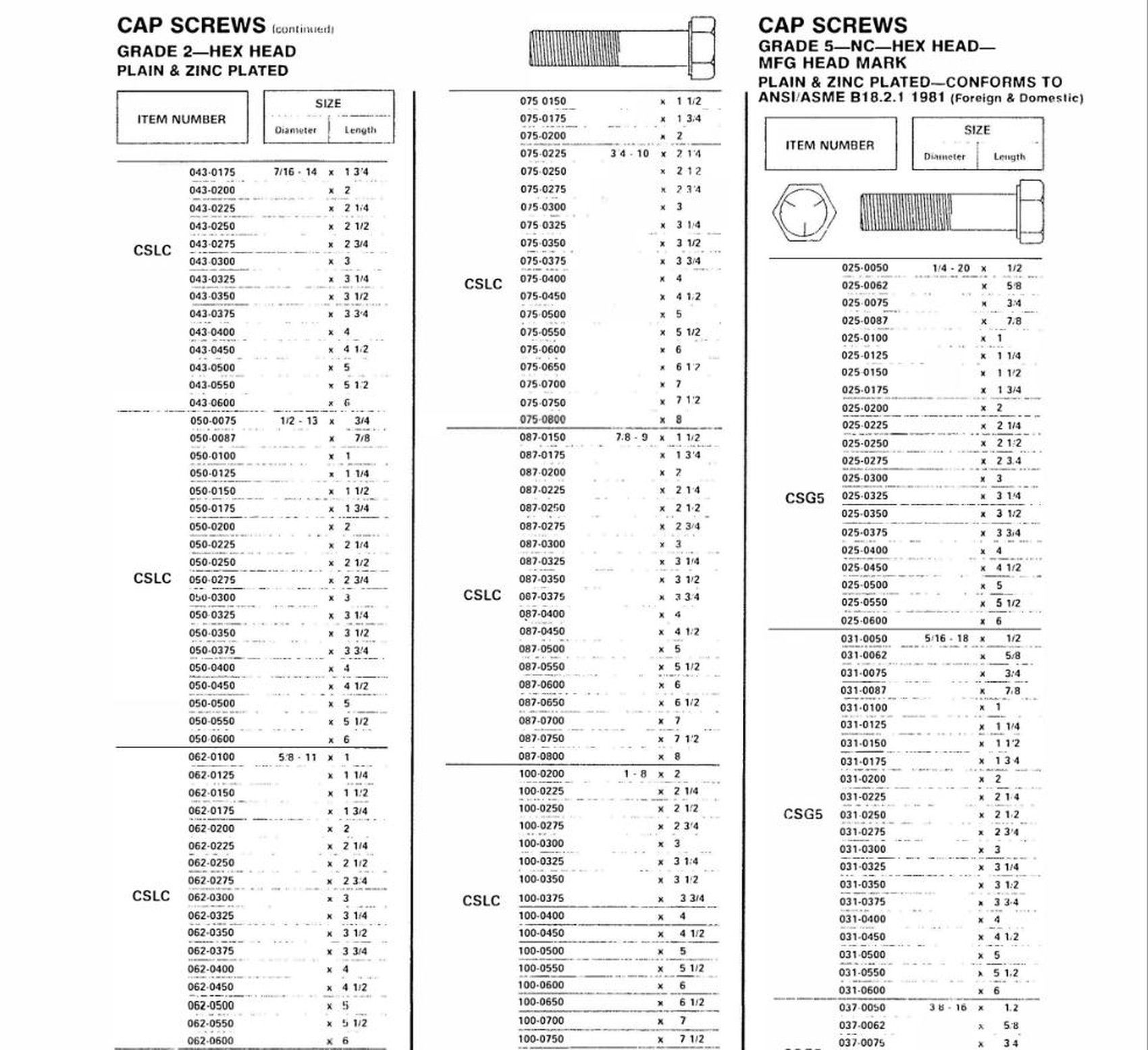
Product data nobody can actually build on
A print catalogue from the 1990s turned into a product data model. A distributor whose catalogue of record was a document designed for print in the 1990s, and the data model that had to exist before anything else could.
The problem
The catalogue existed, but only as layout. A specification sat in a table cell because that is where it fit. A variant was implied by a footnote. Units were written however the page had room that day. None of it could be queried, filtered, priced or synced, because none of it was structured as data in the first place. Building a storefront on top of that would have meant building on sand, and no amount of front-end work would have hidden it.
What we built
- Worked outward from the print catalogue and the ERP to a real attribute model, deciding what was genuinely a product and what was a variant of one
- Normalised specifications and units, so that two products described by different people a decade apart became comparable
- Modelled the attributes customers actually filter and search on, rather than the ones that happened to get printed
- Made the model the shared source of truth, so the storefront, catalogue search and ERP agree instead of each holding its own version
- Set it up so a new product is entered once, as data, and appears everywhere it belongs
Result
- A print document became a queryable product data model
- The ecommerce store runs on structured data rather than transcribed pages
- New products are entered once instead of maintained in several places
What one printed line actually contained
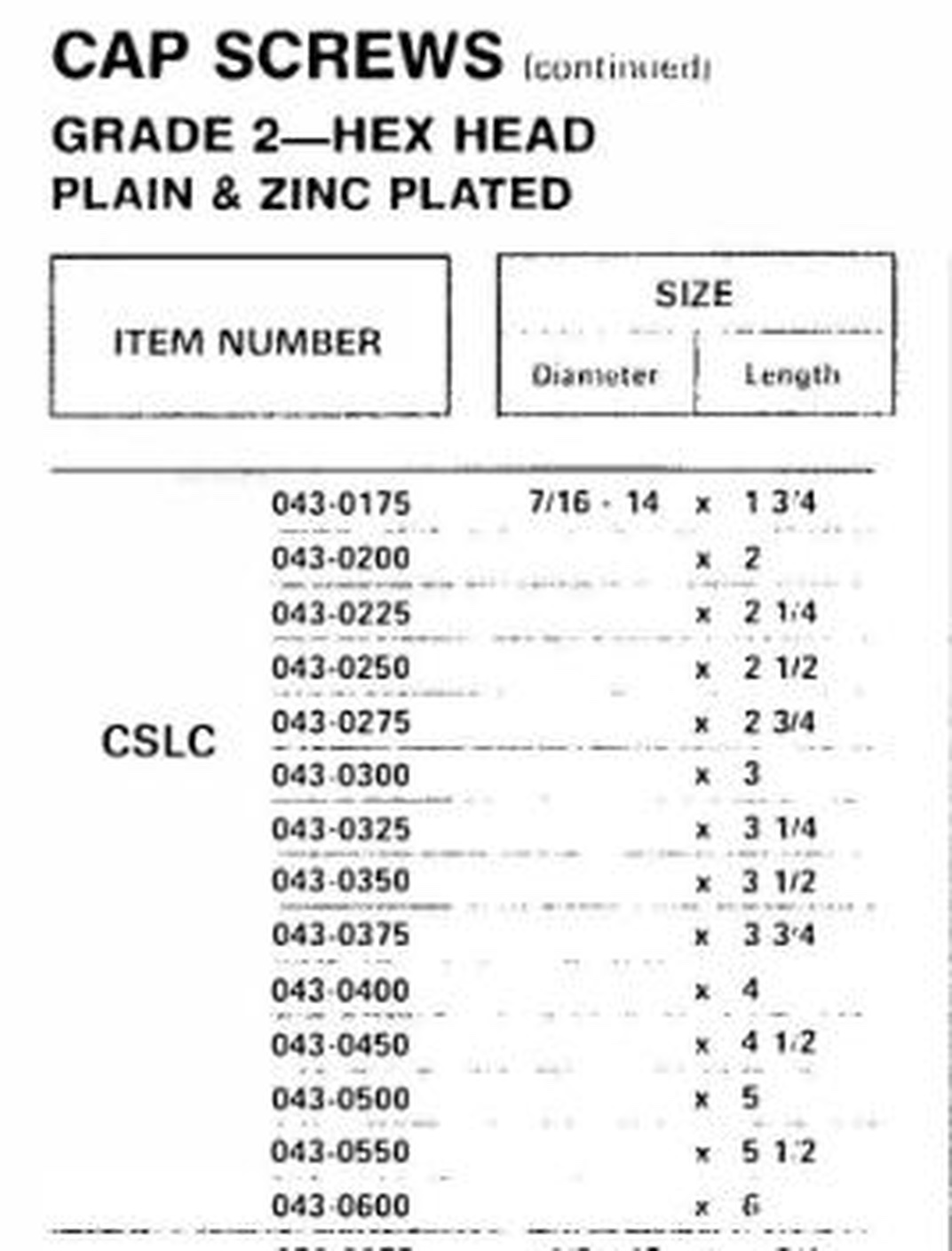
One line. Eight facts, none of them addressable. Repeat for 241 pages.
- sku
- 043-0175string
- family
- Cap Screwenumderived
- head_style
- Hexenumderived
- grade
- Grade 2enumderived
- finish
- Zinc Platedenumderived
- thread_size
- 7/16-14thread
- length_in
- 1.750decimal
- conforms_to
- ANSI/ASME B18.2.1specderived
Orders nobody can price at checkout
A large share of your volume ships LTL, and nothing can be quoted until someone looks at the pallet. So the order gets taken by phone and typed in again, and the website quietly becomes a brochure.
Read the case →A storefront bolted to the side of a website
The catalogue lives in one system and commerce in another, joined by a sync that drops. Every product change gets made twice, and the two never quite agree about what you sell.
Read the case →